Have you ever wondered if starting a podcast would be a good move for your blog?
I get this question a lot, and I’m always happy to talk about it, because podcasting has changed my business in so many ways. It simplified things, and the biggest gift it gave me was helping me find my voice. Not just the sound of it, but my own perspective on the blogging world and the messages I want to share.
So today I’m walking you through what to think about before you start, and a few tips for getting going if you decide it’s right for you.
Why podcasts are such a powerful connection tool
Podcasting is still growing, and your audience is most likely already listening to podcasts about other things.
According to Riverside, there are over 4 million active podcasts in the world today, with more than 28,000 being launch everyday. And while those numbers may feel VERY overwhelming, the podcast industry continues to be booming and engagement is high.
But here’s what I love most. Podcasts are far more intimate than reading a blog post or even watching a video. Your voice goes straight into someone’s earbuds or through their car speakers, and it feels like you’re sitting down together with a cup of coffee. That builds trust quickly.
I’ve signed up for coaching programs and hired service providers after hearing just one episode or interview. Hearing someone teach in their own voice grows the “know, like, and trust” factor like nothing else.
I’ve also seen it work from the other side. Apart from referrals, my podcast is the one form of marketing I stay consistent with, and many people who listened ended up booking me for their branding or website.
And here’s the best part for you. Food bloggers who podcast are still a very small group. Plenty of bloggers are on YouTube or posting reels, but not many have a podcast. That means there’s a whole audience of people who already love listening that you could introduce to your take on things.
6 questions to ask before you start a podcast
1. What do you want your podcast to do for your blog?
Your podcast could be totally separate from your blog, or it could live in the same niche and work hand in hand with it. If you want the two connected, think through how they’ll play off each other.
Also remember that every episode is content you have to create. If you’re already feeling stretched thin with blog posts, take a moment to be sure this is the right addition.
For me, recording is the easy part. I love to talk! Outlining and getting each episode ready to go live is what takes more effort. Some people feel the opposite, so think about what you naturally enjoy.
2. Does your audience listen to podcasts?
You don’t have to guess. Ask the people you already have. Run a quick poll on Instagram or ask in an email whether they listen to podcasts weekly. If you’d rather keep your idea a surprise, keep the question general.
3. Do you want to monetize your podcast, and how?
Podcasts are often monetized through sponsorships, and brands usually expect a certain size of audience before they sponsor. There are other ways to benefit, though:
- Promote your own course, meal plans, or digital products
- Grow your email list with freebies that match each episode
- Highlight services you offer, like coaching or meal planning
- Point listeners back to your blog posts
I don’t do sponsorships. My podcast pays off because it leads to clients who want to work with me. It’s also worth asking yourself whether you’d do this even if it never made money, or whether it’s more of a passion project.
4. Do you have the time to commit?
This is one of the most important questions. For the best chance at growing your audience, I recommend publishing weekly for at least a year. That’s about how long it takes to build a listenership and figure out if podcasting is a good fit.
You can absolutely publish less often. Many people do. Just choose a schedule you can keep up.
5. Do you have enough content ideas?
Before I started, I challenged myself to come up with 20 episode ideas. I ended up with over 100, which told me I had plenty to say. If you can fill a list of 20, you’re in good shape. Once you decide to go for it, aim for at least 40 ideas so you have room to pivot and won’t run out of steam.
6. What does “doing it right” look like for you?
For me, it meant great audio quality, and that I wouldn’t be the one editing it. (My brother is my editor, and I’m so grateful.) For you, it might mean consistency, or keeping costs low and the process simple. There’s no wrong answer. Just decide what matters to you before you begin.
What you need to get started
Here’s the starter list:
- A topic. Be broader than you think you need to be, but not so broad that nobody would search for it. Looking at podcasts you love can help. Writing out your intro is another great way to get clear on why people should care.
- A name. Some people pick this first, others come up with it last. Don’t let it hold you up.
- A list of episode ideas. Aim for at least 40.
- Cover art. You can design it in Canva or hire it out. It’s just as important as a logo, only smaller.
- Podcast hosting. I use Libsyn and have loved it. [ADD LINK]
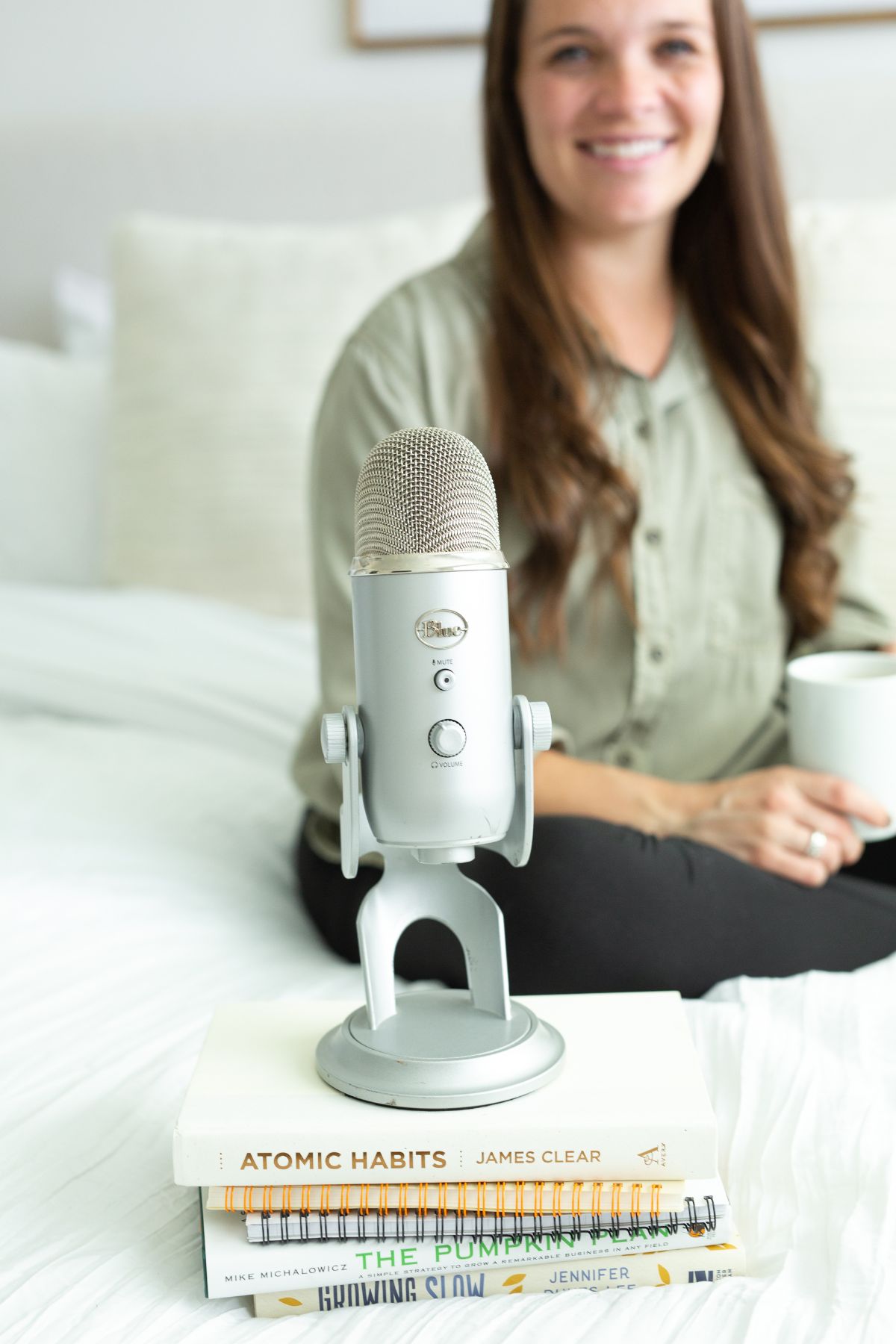
- A microphone. You can record on your phone, but a good mic isn’t expensive. I use the Blue Yeti with a pop filter, and the Audio-Technica is another great option. [ADD LINKS]
- Headphones. They help you hear problems while you record and are handy for interviews.
Decide on your process
Before you hit record, think through a few things:
- Guests or solo episodes? Mine are mostly solo with a few interviews sprinkled in. Interviews are a whole separate process, so I’m selective.
- How often will you publish? Choose whatever is sustainable for you.
- What will you outsource? Editing, uploading, and show notes can all be handed off.
Here’s my process, in case it helps. I plan my next 4 to 8 topics at a time, then batch outline two or three episodes and record them back to back. After I record, my work is done. My brother edits, and my assistant uploads the episode to my podcast host and formats the blog post from my outline. Then we schedule and promote it, and my junior designer creates the graphics for Instagram stories.
I keep everything organized in Google Drive so the whole team can find what they need. My goal is to get to the point where I just sit down and press record.
You’ll also want to decide on show notes. There are two versions: the short notes in the podcast player and the full show notes on your blog. I do full show notes on my website for SEO reasons, but you could start with one and add the other later.
For recording, I use Adobe Audition, and I know others who love GarageBand. For interviews, I use Zencastr, which records each person on a separate track and makes editing so much easier. If you’re curious about editing it yourself, try a little test recording first.
Tips for launching your podcast
You can realistically get a podcast out into the world in about a month, depending on how quickly you work.
- Ask your friends to help spread the word. People with a similar audience are ideal, but anyone who wants to support you counts. A small contest can help in the first few days.
- Launch with at least three episodes. It gives new listeners something to binge, and they’re much more likely to subscribe than if they only find a short intro.
- Ask people to share, rate, and subscribe. I do it in the intro, during the episode, and at the close. You’d be surprised how often we forget to subscribe to something we love.
- Start building connections right away. When someone shares your episode on Instagram, ask what they loved about it. Those conversations lead to great friendships and even better episode ideas.
Is a podcast right for you?
If you want to try something a little different, tap into a new audience, and share your value in a new way, a podcast can be a wonderful move. Walk through the questions above, sit with them, and see how it feels. If it feels right, there’s a good chance it’s a good fit.
And if you’re a food blogger who wants a website that supports everything you’re building, including a podcast, that’s what we do here at Grace and Vine Studios. Whether you’re ready for a fresh brand, a semi-custom website, or just a few things fixed up, we’d love to chat.
ready to take your food blog to the next level?
We work with food bloggers looking to stand out of the crowd through custom brand and website design.
topics
Browse through some of the topics we discuss on the blog, then click over to see all the posts within that topic!
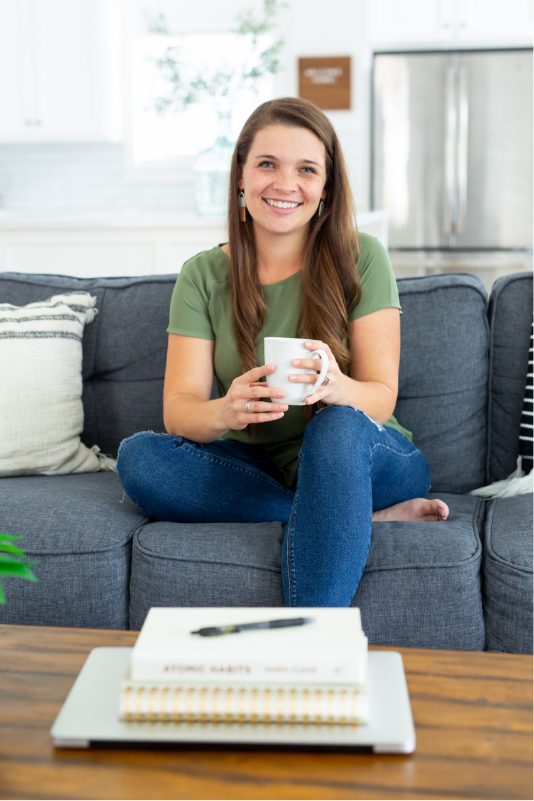
hey friend, i’m madison
Food blogger turned web designer
I’ve been where you are. Growing fast, feeling overwhelmed by the tech side of things, and realizing that somewhere between hitting 100k sessions and launching that new revenue stream, the foundations of your business got left behind.
I started out as a food blogger, so I get it. The constant juggling. The feeling that your site doesn’t match who you’ve become. The frustration of working way too hard while your brand and tech hold you back.
That’s why I created Grace + Vine Studios—to help monetized food bloggers like you finally catch up. Whether it’s your branding, your website, or just figuring out what the heck comes next, I’m here to help you build a business that reflects where you are now and actually improves your life instead of consuming it.